
Practical buying guide
Everything to know before choosing a shade sail
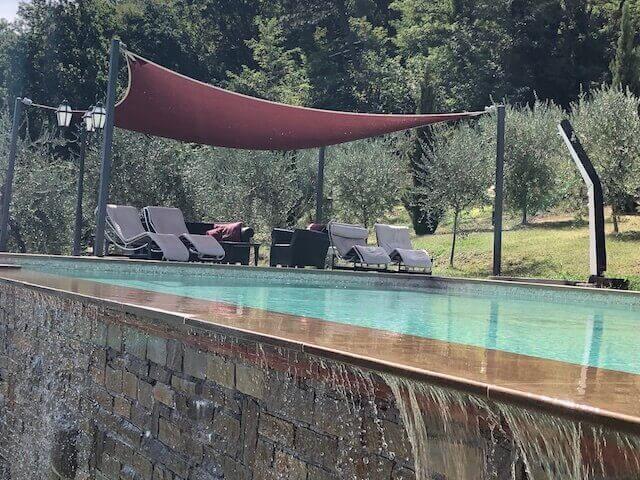
This FAQ answers the key questions about shade sails: UV protection, breathable HDPE fabric, size, shape, fixing points, tension, wind, cleaning and year-round use.
Use it to plan a more reliable installation for a terrace, garden, balcony, pool area, play area or outdoor dining space.
 |
 |
 |
 |
 |
Key points
UV protection
A quality fabric helps filter a high proportion of harmful UV rays.
Correct tension
A well-tensioned sail is more stable and looks cleaner.
Strong fixings
Reliable anchor points and stainless hardware matter.
Cooler shade
Breathable fabric allows air to circulate beneath the sail.
What is a shade sail?
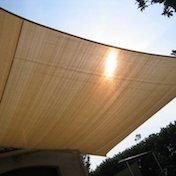
A shade sail is a technical fabric panel tensioned between several fixing points to create shade. Modern shade sails use outdoor fabrics designed to filter UV rays while allowing air to circulate.
How much UV protection does a shade sail provide?
UV protection depends on the fabric, colour and density. Coolaroo breathable HDPE shade sails can block up to around 95 % of harmful UV rays, depending on the model.
Is a shade sail difficult to install?
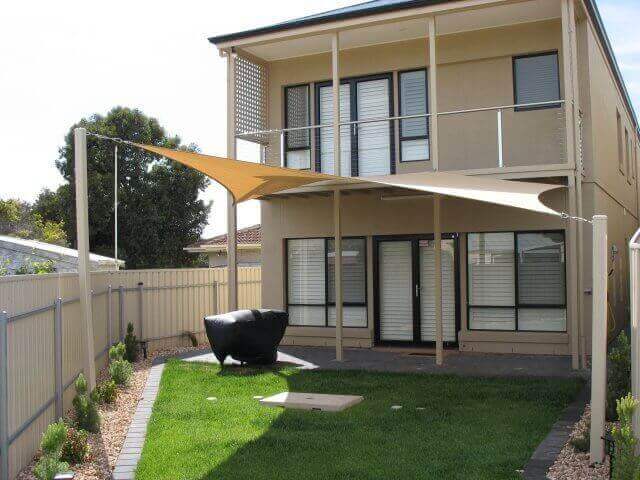
A simple domestic installation can usually be handled by a competent DIY user. The important points are strong anchors, enough space for tensioners and correct tension at each corner.
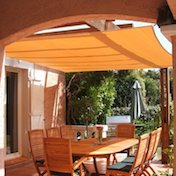
Where can I attach a shade sail?
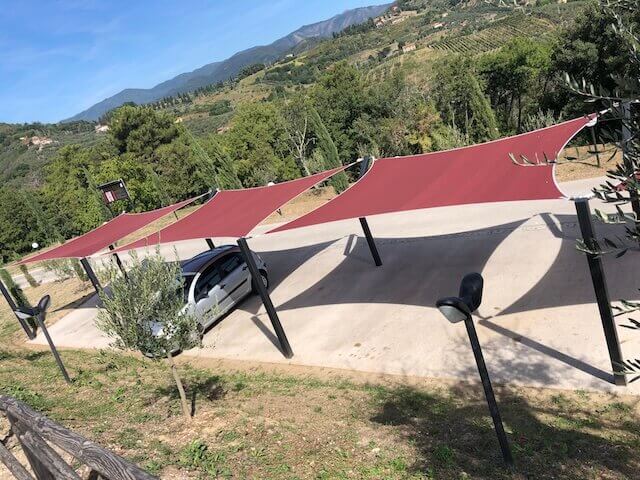
A shade sail can be fixed to solid walls, properly installed posts or other strong structures. The fixings must be able to handle both the tension of the sail and wind loads.
Which shape should I choose?
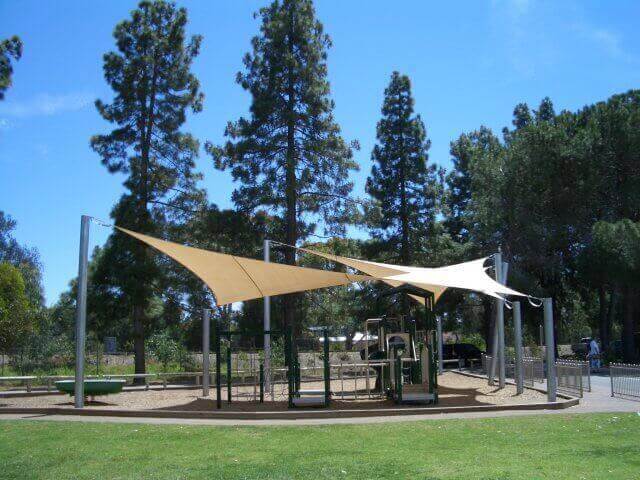
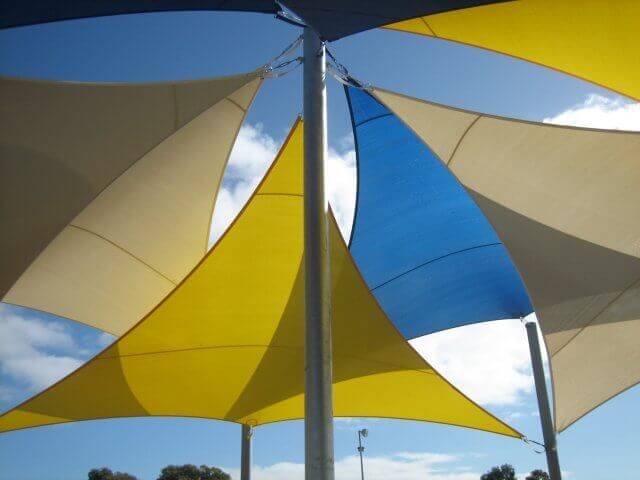
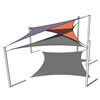
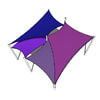
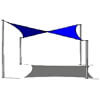
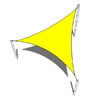
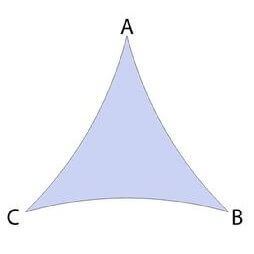
Triangle sails are flexible and visually light. Square and rectangular sails usually provide more even coverage for larger areas such as terraces, dining spaces and poolside areas.
Why is tension important?
Tension keeps the sail stable, reduces flapping and distributes load more evenly to the fixing points. A loose shade sail will wear faster and look less tidy.
Can a shade sail stay up in windy weather?
A quality sail that is correctly tensioned and attached to strong fixing points can handle normal wind. In very strong winds, it is safer to remove the sail.
Is a shade sail waterproof?
Breathable shade sails are not waterproof. They are designed for shade, airflow and UV protection. If installed with a slope, rain will run more easily towards the edges.
How do I clean a shade sail?
Use a garden hose to remove dust and debris. If needed, use a very soft brush. Avoid harsh chemicals, stiff brushes and pressure washers.
Why choose a shade sail instead of a parasol?
A shade sail can cover a larger area, keeps the ground clear and offers a cleaner architectural look. For a fixed outdoor area, it is often more practical and long-lasting.
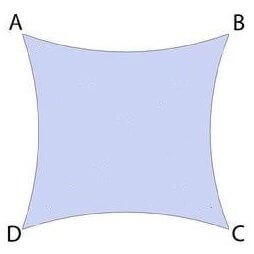
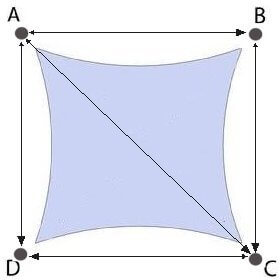
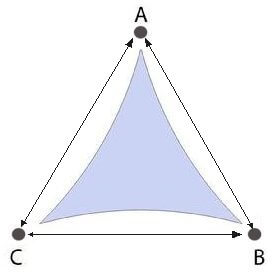
Why are shade sail edges curved?
Curved edges allow the fabric to be tensioned properly. When the corners are pulled tight, the curves help create a stable surface that flaps less in the wind.
Shapes and installation examples
 |
 |
 |
 |
 |
UV protection and outdoor comfort
 |
 |
 |
 |
 |
Why shade sail edges are curved
 |
 |
 |
 |
Ready to plan your shade?
Compare the models and review the installation guide before ordering.
Useful links
For choosing, installing and ordering your shade sail.
